Feed Your Passion

Posts tagged "audio engineering school"

Mixing In The Studio VS Live

Screen shot 2012-12-20 at 9.48.01 AM

Is there a difference between mixing in the studio and mixing live? There are some pretty big differences, but that doesn’t mean a live sound engineer and studio engineers can’t switch places every once and awhile. One of the main differences is time. When you are working in the studio you will have more time to get the sound that you are looking for and really hone in on any aspects of a mix. But when mixing live you have to be spot on with what ever the performer is throwing your way. Now we could argue all day about which scenario is more difficult and takes more skill, but at the end of the day these are both really hard jobs which take a lot of different specialized skills. Another big difference is what kind of console will be used.READ MORE

Continue Reading

Posted by AudioBlogger in Audio Engineering, Music Production, Music Recording Information, Sound Engineering

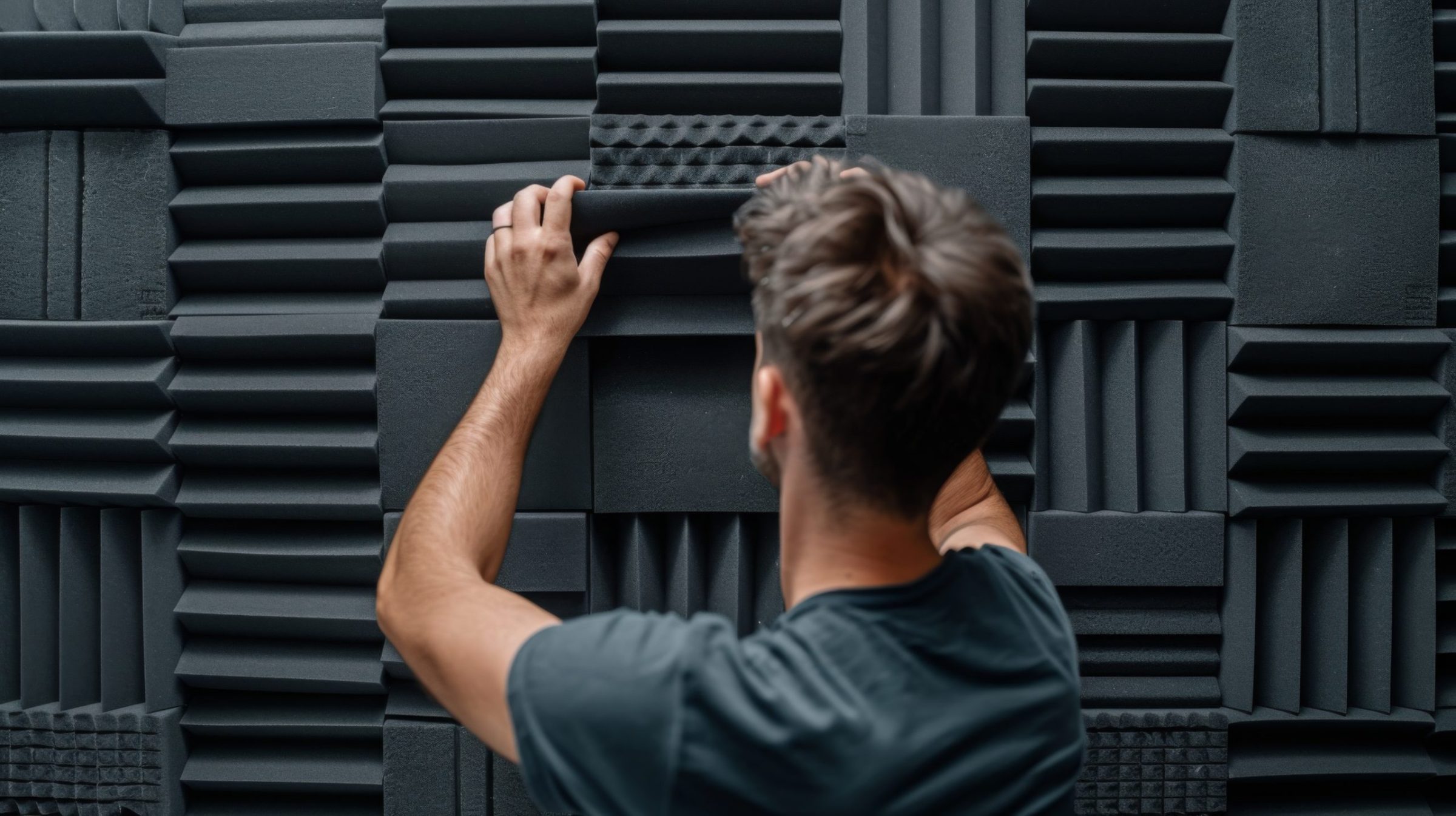
Acoustic Treatment And Sound Proofing

Screen shot 2012-12-20 at 10.53.23 AM

There are many myths and crazy ideas out there about how to soundproof and acoustically treat your studio. However, when it comes down to it there are some simple steps and guidelines you can follow. If you are interested in acoustically treating your own home studio you have probably looked into different companies and products and even thought about making your own acoustic treatments. There are many different products and companies out there but the company I trust is Auralex. They have published a great guide call Acoustics 101 that tell you how to go about soundproofing your own space and even give guides on how to make your own acoustic treatments. This guide is free to download and has been used by some very notable professionals in the industry.READ MORE

Continue Reading

Posted by AudioBlogger in Audio Engineering, Music Production, Recording Techniques, Sound Engineering

Microphone Placement

Check out this great tip from one of our instructors!

Continue Reading

Posted by AudioBlogger in Audio Engineering, Sound Engineering

Spice Up Your Mixes

Screen shot 2012-12-20 at 11.43.39 AM

Do you find yourself using the same old tricks when you’re mixing? Do you sometime run out of new ideas to try in a mix to add that extra flare? Why not try something crazy and new? It is never fun to mix using the same formula over and over. Even if you come up with a way to mix that gives pretty good results, after awhile its going to get old and all your mixes will sound the same. I’m am not saying you need to do something weird and abstract with your mixing, I am just saying why not do something different every once and a while. Here are some great tips that will help push you out of your comfortable mixing zone. READ MORE

Continue Reading

Posted by AudioBlogger in Music Production

What Is Impedance?

Screen shot 2012-12-20 at 11.30.53 AM

What is impedance? How does it affect your sound? Is it something you need to worry about? Impedance is often something young engineers don’t quit understands but it can have drastic effects on an audio signal. So what is it? Impedance is the amount of resistance in an electrical current, which is measured in Ohms. Every microphone and piece of gear has its own impedance and range of acceptable impedance. You want to make sure that you are using pieces of gear that have matching impedance. If you take something that has high impedance and plug it into something that has low impedance you will notice that there is a massive tone change. This happens because the electrical current is traveling through two different resistances, or at two different speeds per say.READ MORE

Continue Reading

Posted by AudioBlogger in Music Production

How Are You Going to Learn Audio Engineering?

Learning audio engineering may seem like a difficult task, which requires years of difficult technical training at an audio engineering school. However, the science of audio engineering is not as complicated as it may appear. While learning to be a audio engineer may take time and a bit of patience, it is a set of skills, including microphone technique, equipment maintenance and basic acoustic theory that can be learned by anyone willing to make the appropriate effort.

First of all, read books or watch You Tube instructional videos to learn the basics of audio engineering. There are many options out there for this. Practice new techniques.. Compare a variety of information about a particular area of audio engineering. Sound engineering is a subjective subject and many books will provide you with slightly different information. Try out a variety of techniques to find the one that works best for you.

Once you’ve gained some basic knowledge, attend an audio engineering school, such as Dark Horse Institute, which offers an intensive, totally hands on program in audio engineering, and only takes 12 weeks. Some schools such as Dark Horse also offer job assistance programs for graduates interested in pursuing sound engineering as a career.

Towards the end of your formal schooling, apply for an internship at a recording studio. Many of these internships are unpaid, but they will provide you with a vast amount of experience and contacts. As an added benefit, occasionally studios hire interns as assistant engineers once the internship is complete. Ask the supervisor of your internship if you can bring in your own projects when work is slow or when the studio is normally closed. This will not only give you much needed recording practice, it will also help the studio, as bands and artists are likely to return to a studio where they previously had a positive experience.

Ensure your unpaid internship allows you to spend time learning and working with the assistant and head engineers. Some studios advertise unpaid internships in the recording business, but only want you to answer the phone and make coffee. While this may be a way to get your foot in the door of a very competitive business, it will not teach you anything about the process of sound engineering. If you find yourself in an internship like this, perform the tasks requested, but take the initiative to observe and offer your assistance inside the studio as well.

Continue Reading

Posted by Jeff in Audio Engineering, Music Production